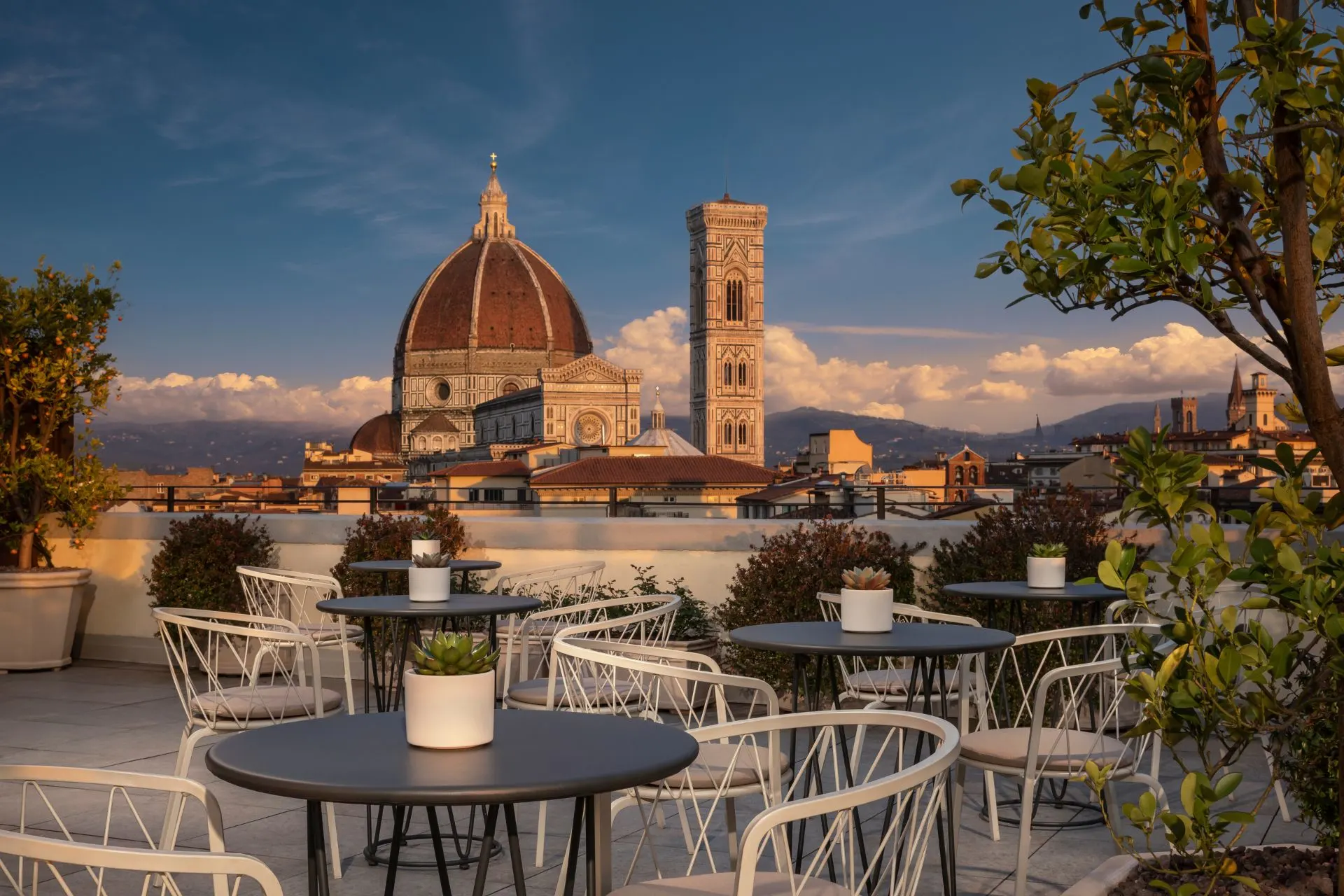
7 hr
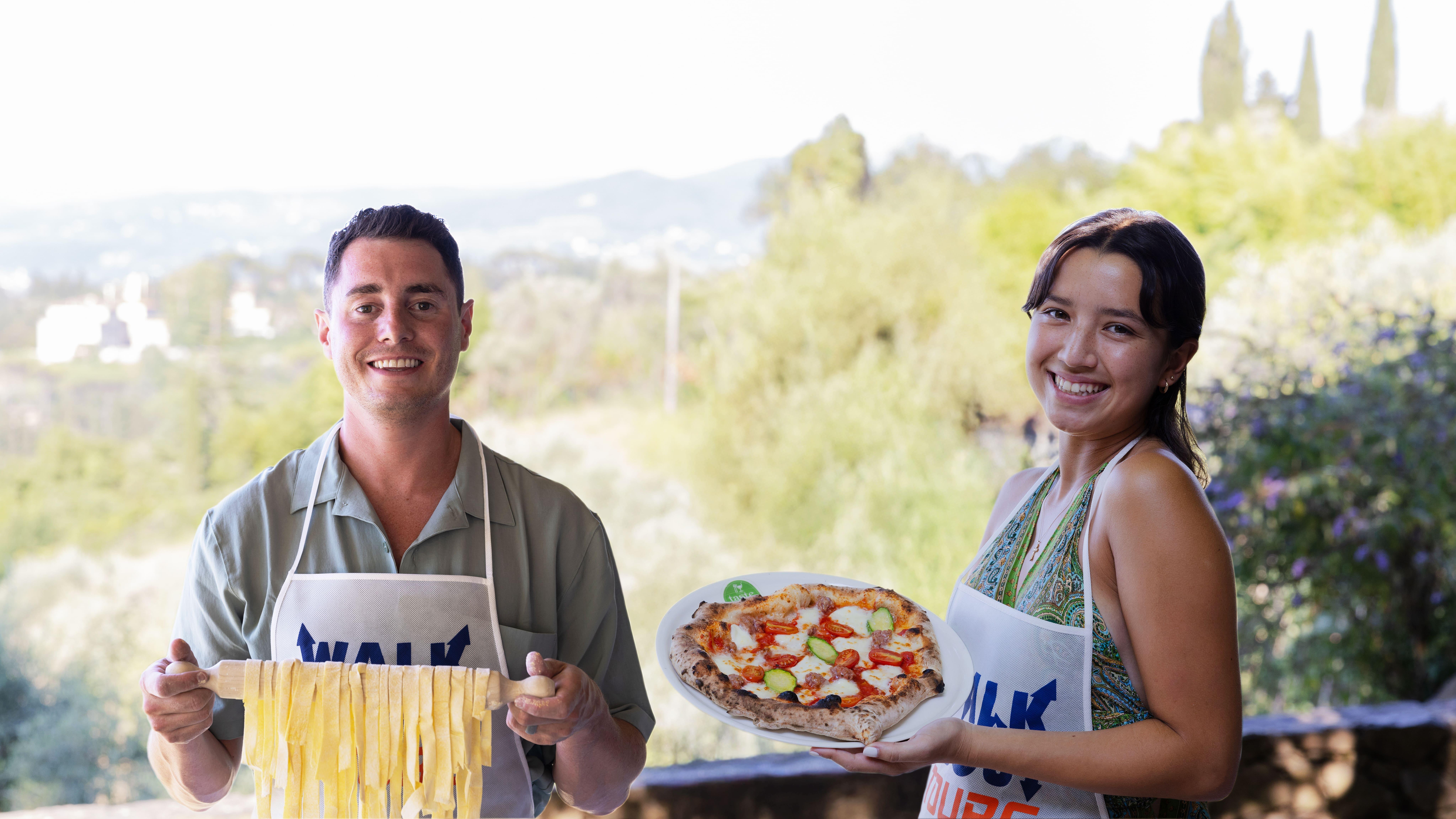
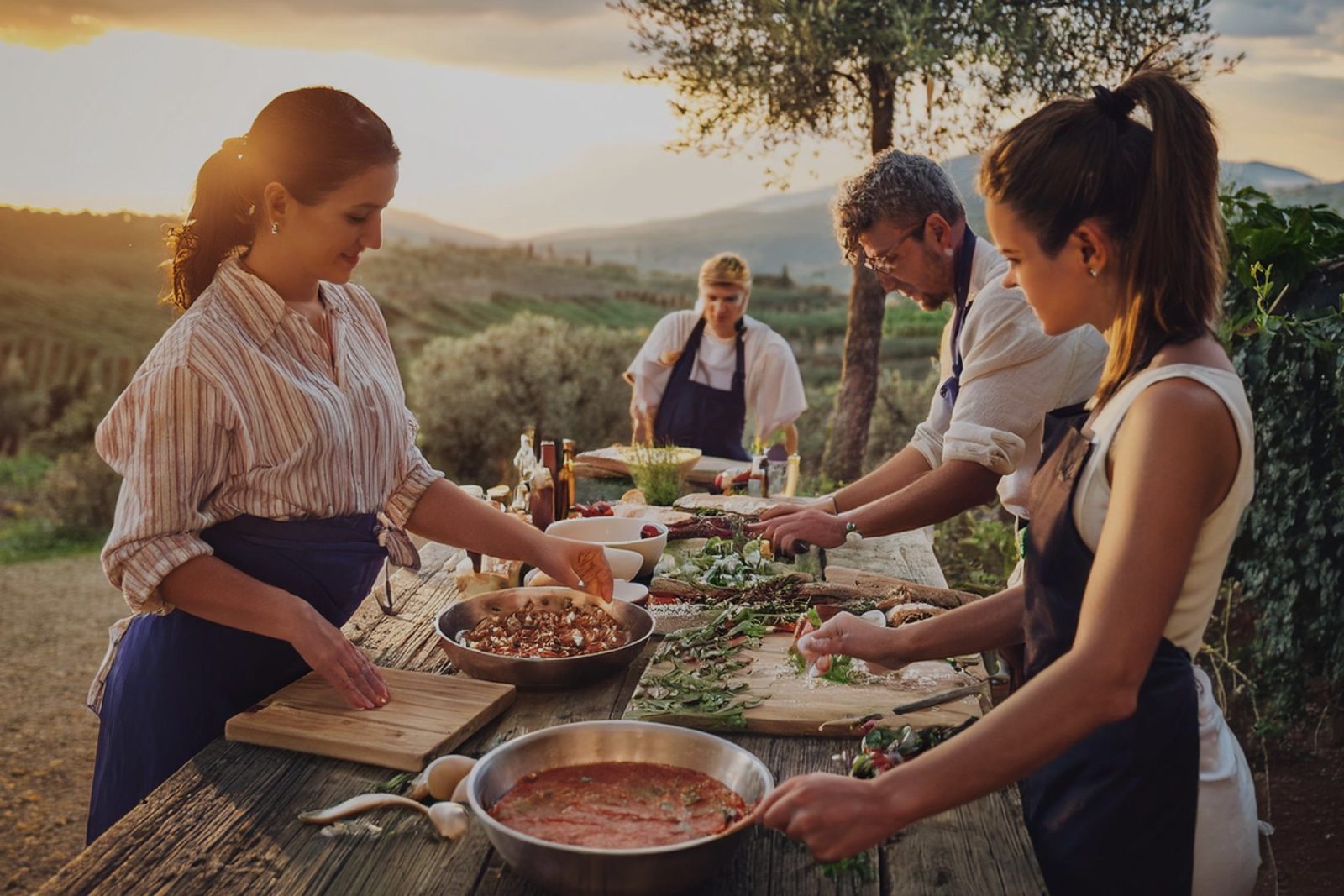
Tuscan Farm Cooking Class: Pizza or Pasta & Gelato
- Expert local guide
- Small group
- Skip-the-line access
- Free cancellation
Florence Pasta Cooking Class — Hands-On Workshops
Roll dough by hand, sauce by tradition
Compare fares, pick the fit — all bookings are mobile-voucher and eligible for free cancellation where shown.
7 hr
3 hr
2 hr
| Experience | Duration | Rating | Lunch | Skip-the-line | Small group | Free cancel. | Price | |
|---|---|---|---|---|---|---|---|---|
|
Guided Experience
Most popular
Tuscan Farm Cooking Class: Pizza or Pasta & Gelato
|
7 hr | ★ 4.9 | — | ✓ | ✓ | ✓ | €72 | Book → |
|
Standard Entry
Hands-On Pasta & Tiramisu Workshop in Florence
|
3 hr | ★ 4.9 | ✓ | — | ✓ | ✓ | €19 | Book → |
|
Standard Entry
Pasta Making Class in Medieval Tower with Wine
|
2 hr | ★ 4.9 | — | — | ✓ | ✓ | €19 | Book → |
Worth it for hands-on culinary immersion
A florence pasta cooking class typically costs €60–90 per person for a group session, covering instruction, ingredients, and the meal you prepare. That sits above a mid-range trattoria dinner (€25–35) but delivers something restaurants cannot: you learn to roll sfoglia by hand, shape tortellini under the eye of a Tuscan cook, and leave with replicable techniques. The value proposition hinges on what you want from your time in Florence. If eating well is the goal, dining out costs less and saves two to three hours. If you want to understand why Florentine pasta tastes different—the egg-to-flour ratio, the rolling pressure, the sauce construction—then the class pays for itself the first time you replicate it at home. Most florence pasta cooking class tours include market visits or wine pairings, which tilt the math further toward worth-it territory for food-focused travelers. Skip it if your trip is landmark-heavy and time-constrained.
Bottom line: The florence pasta cooking class tickets justify their cost if culinary skill-building matters more to you than sightseeing efficiency.
They complement each other; most visitors who do both call the market-to-table workshop the more immersive culinary journey. Selecting the right florence pasta cooking class depends on whether you prioritize focused technical instruction or cultural exploration.
|
Top pick Pasta Class |
Market-to-Table Workshop | |
|---|---|---|
| Content focus | Technical noodle craftsmanship | Market sourcing and preparation |
| Time commitment | 2–4 hours | 5–7 hours |
| Skill acquisition | Dough kneading and shaping | Seasonal menu composition |
| Ingredient sourcing | Pre-selected kitchen supplies | Local vendor ingredient selection |
| Interaction depth | Focused chef-student instruction | Interactive group market tour |
| Logistics | Private or group florence pasta cooking class tours | Scheduled group florence pasta cooking class tickets |
| See tickets & prices |
Verdict: Choose the concentrated florence pasta cooking class tour for precision skills, or the workshop if you prefer understanding the origins of Tuscan ingredients.
Hand-picked experiences loved by thousands of travelers
3 hours
Free Cancellation
Master traditional pasta techniques in Florence's historic center with expert guidance and local wine
3 hours
Free Cancellation
Craft traditional ravioli and fettuccine in a historic Florentine palace, then feast on your creations with organic Tuscan wines
3 hours
Free Cancellation
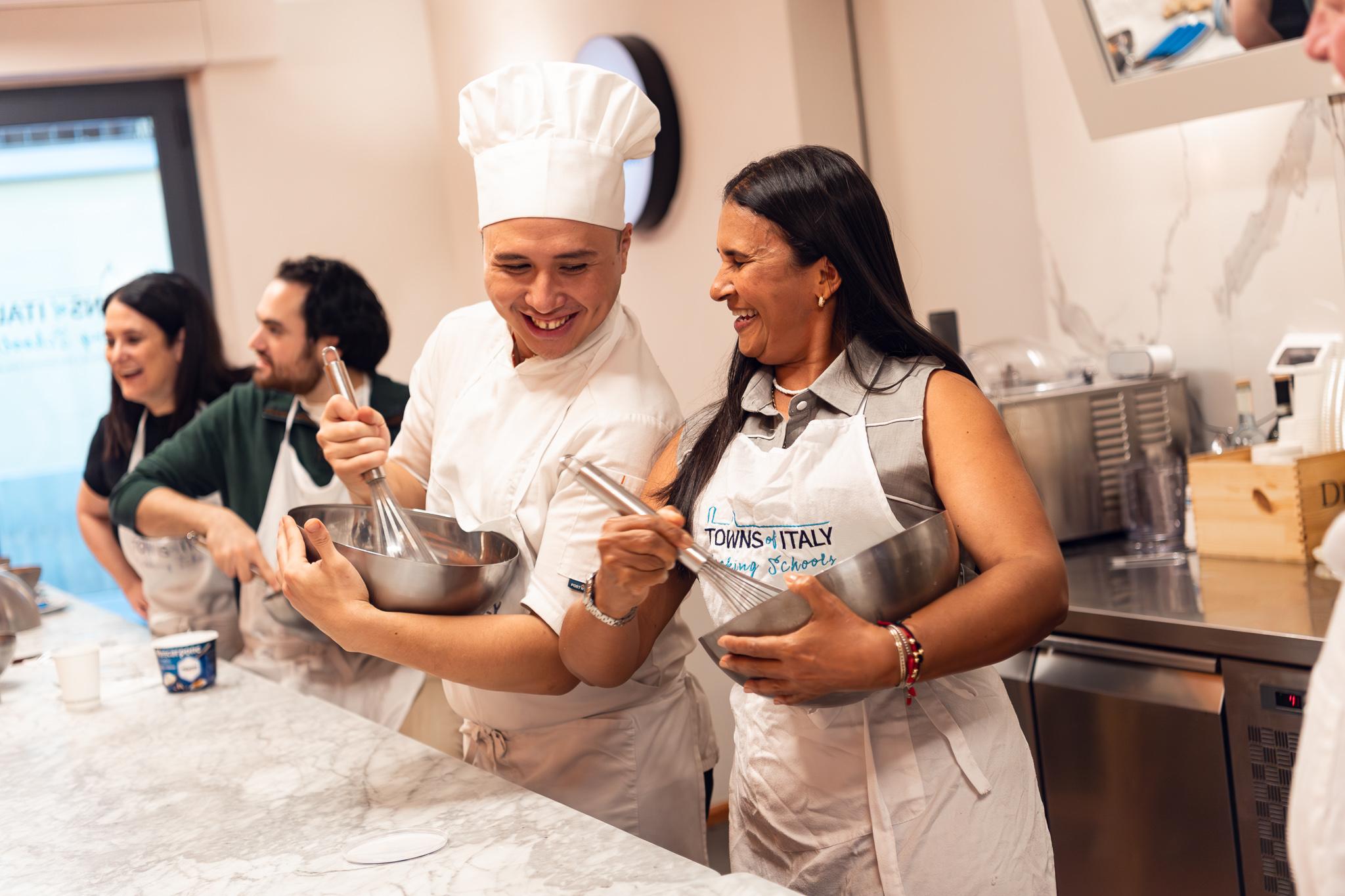
Create authentic Italian pasta with a local chef, savor your creations with wine, and finish with gelato
5 hours
Free Cancellation
Learn to craft handmade pasta, pesto, and tiramisù at a countryside farmhouse after shopping Florence's historic market
2 hours 30 minutes
Free Cancellation
Learn authentic pasta-making from entertaining Italian chefs in an intimate setting with wine, music, and laughter
2 hours
Free Cancellation
Master traditional pasta-making techniques near the Duomo while sipping Tuscan wine with expert chefs
3 to 5 hours
Free Cancellation
Master authentic Italian recipes with expert chefs at Florence's premier culinary academy
5 hours
Free Cancellation
Escape to Tuscany's wine country for a hands-on cooking class, estate tour, and multi-course lunch with premium wine pairings
Check-in and greet the chef
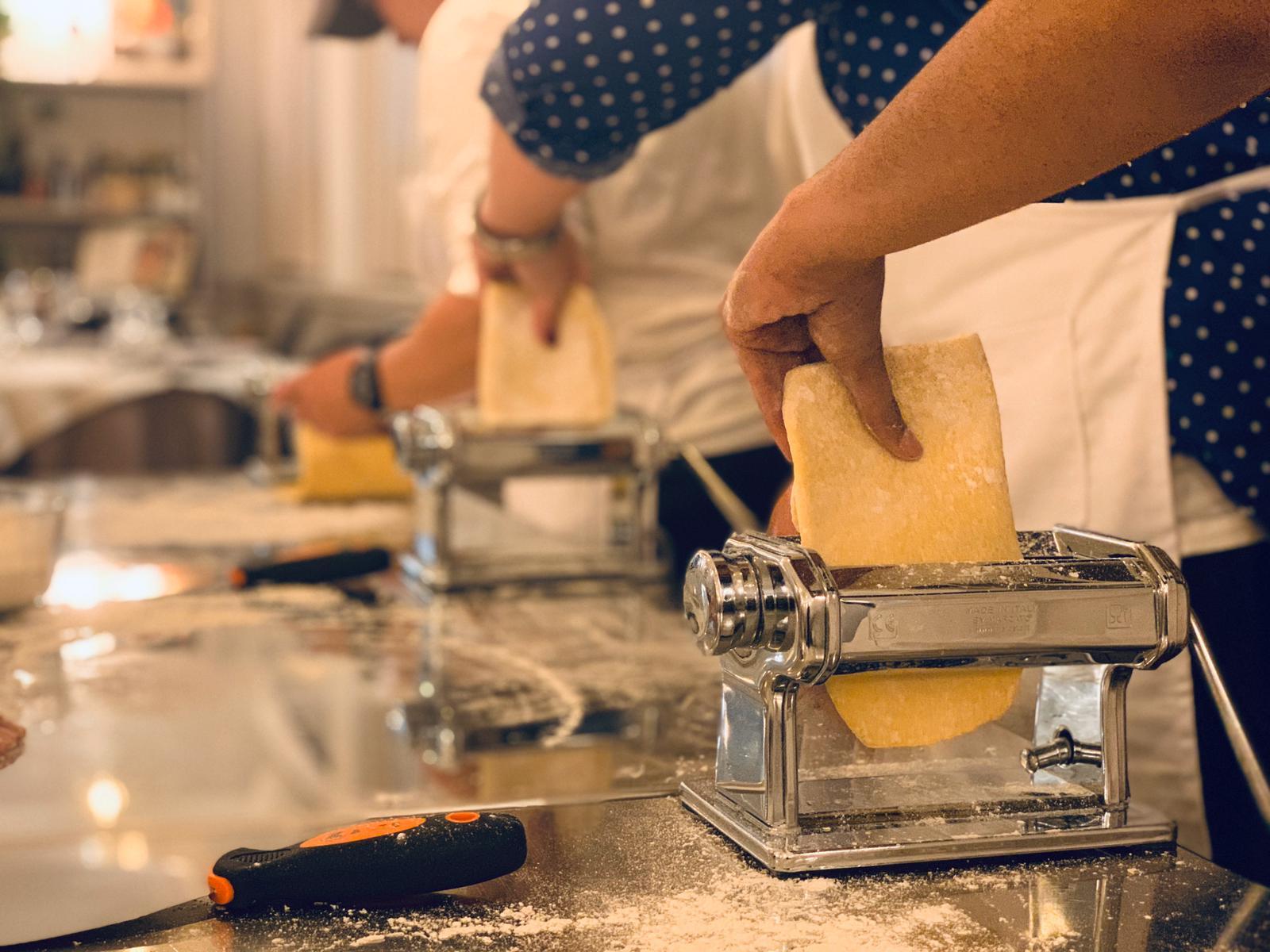
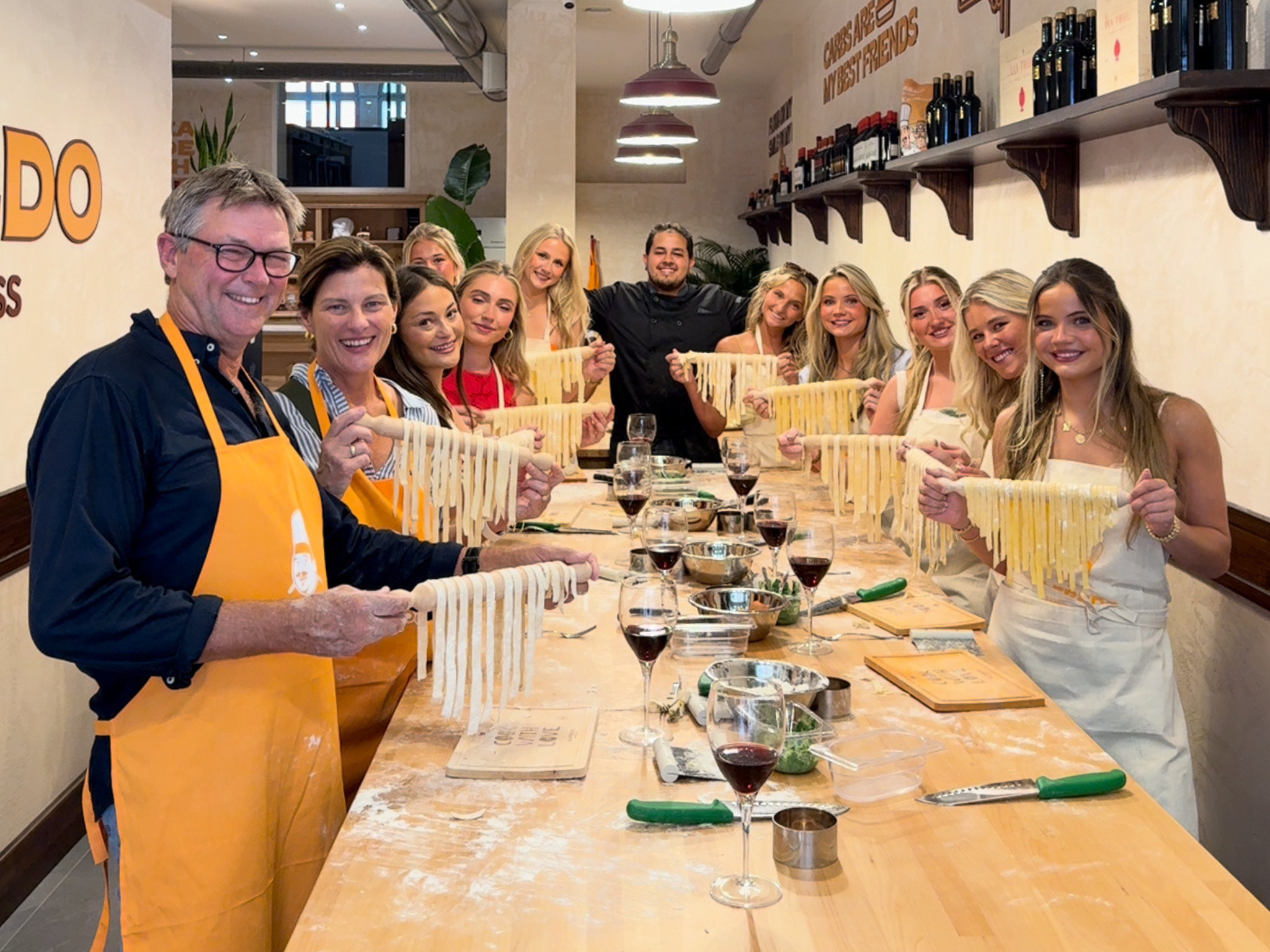
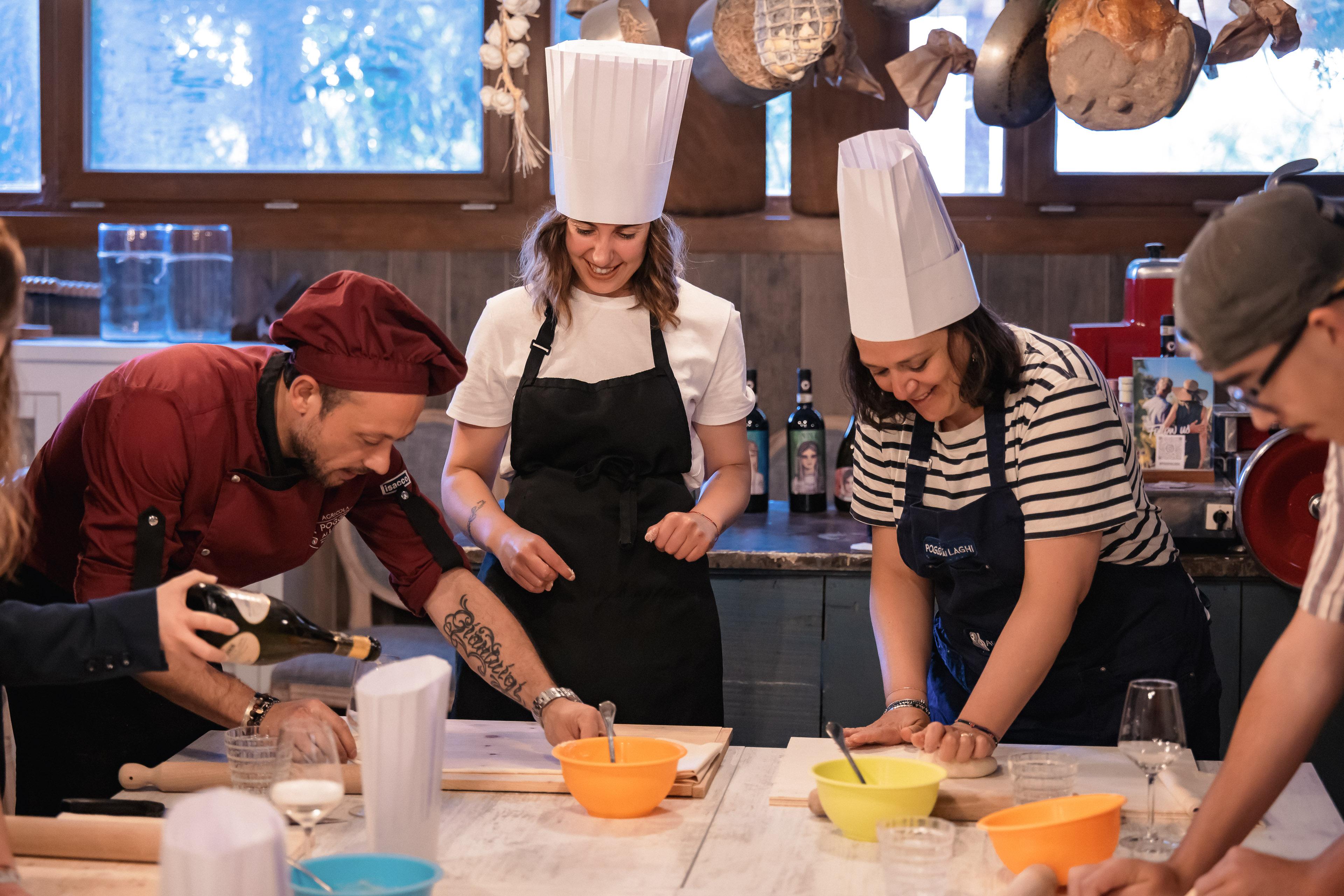
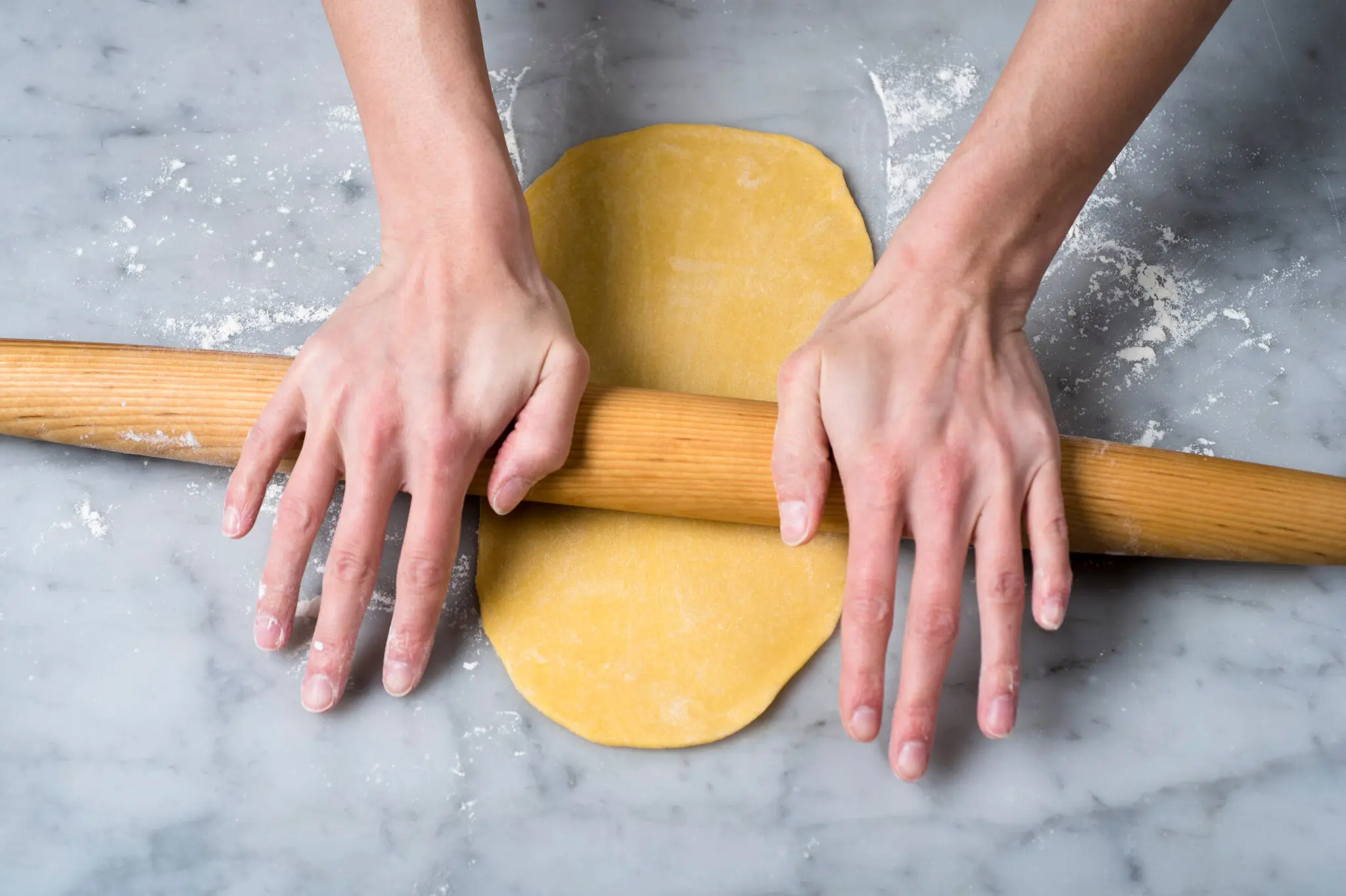
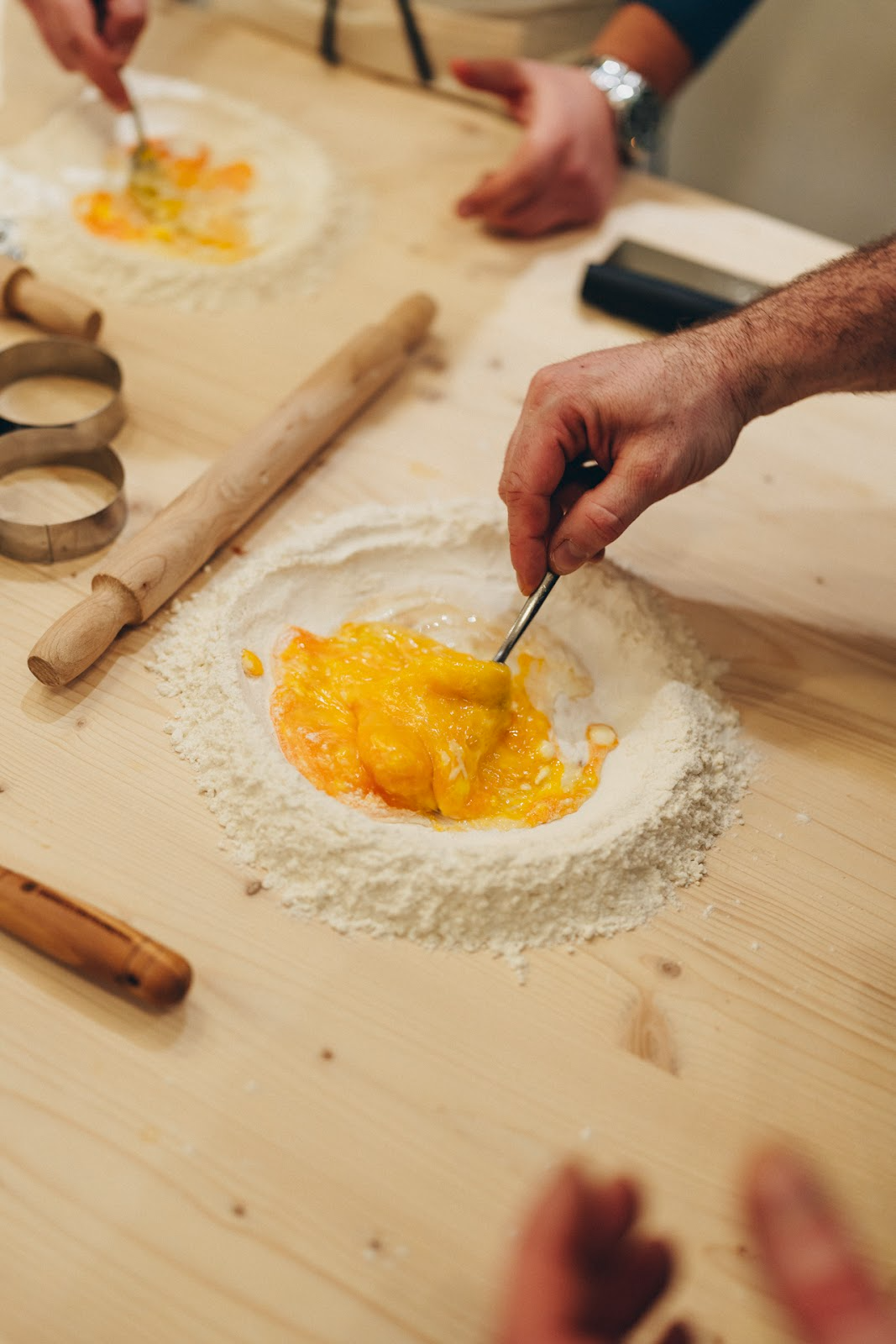
Hands-on dough making and shaping
Boiling pasta and preparing sauces
Meal enjoyment with local wine
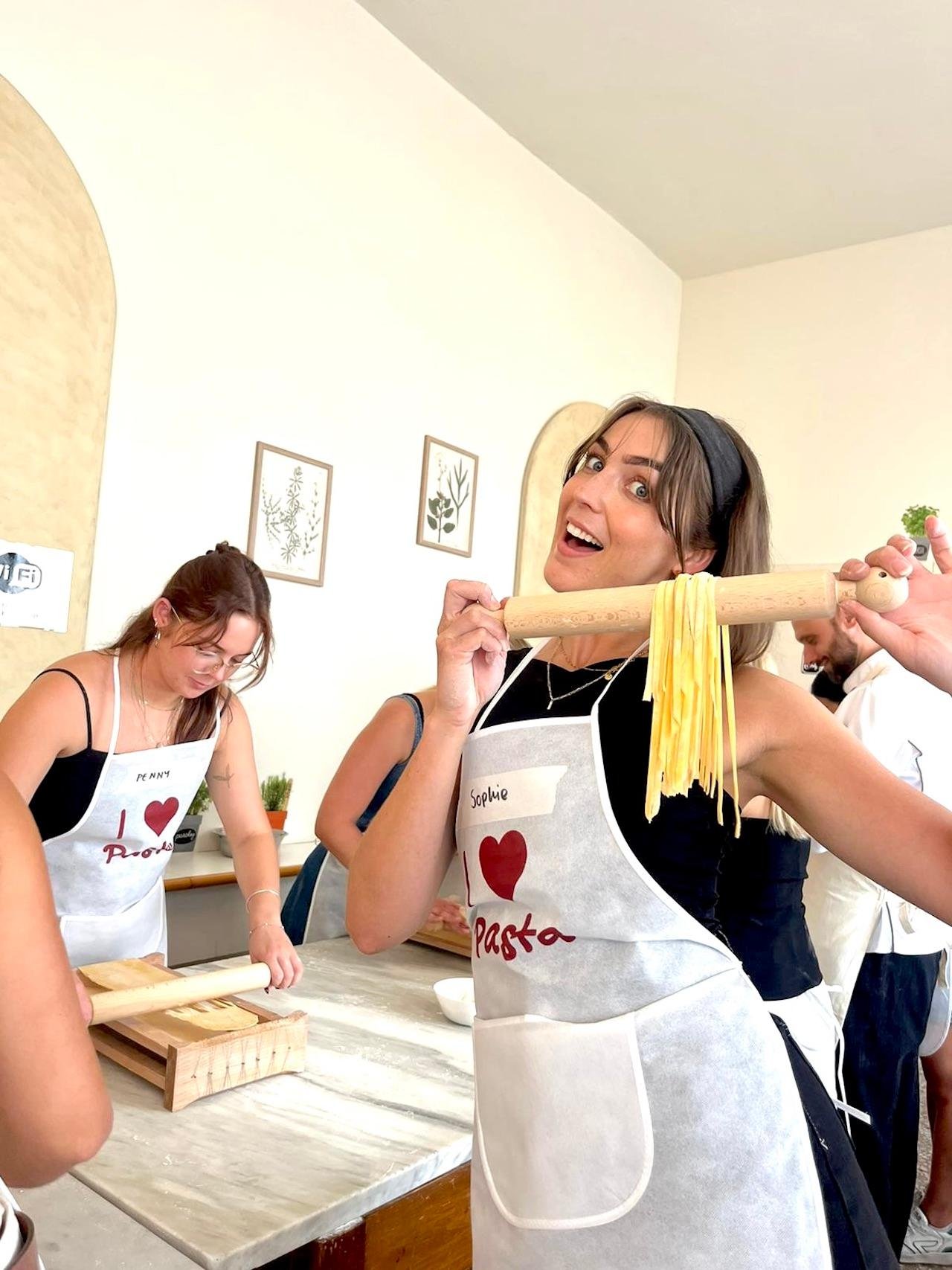
Individual work areas with provided tools for every participant. Each station is equipped with authentic wooden boards and rolling pins.
Communal space for tasting the prepared meal with local wine. This area facilitates cultural exchange between class attendees.
Selected area featuring seasonal produce and high-quality flour. Learn about the importance of sourcing local Tuscan ingredients.
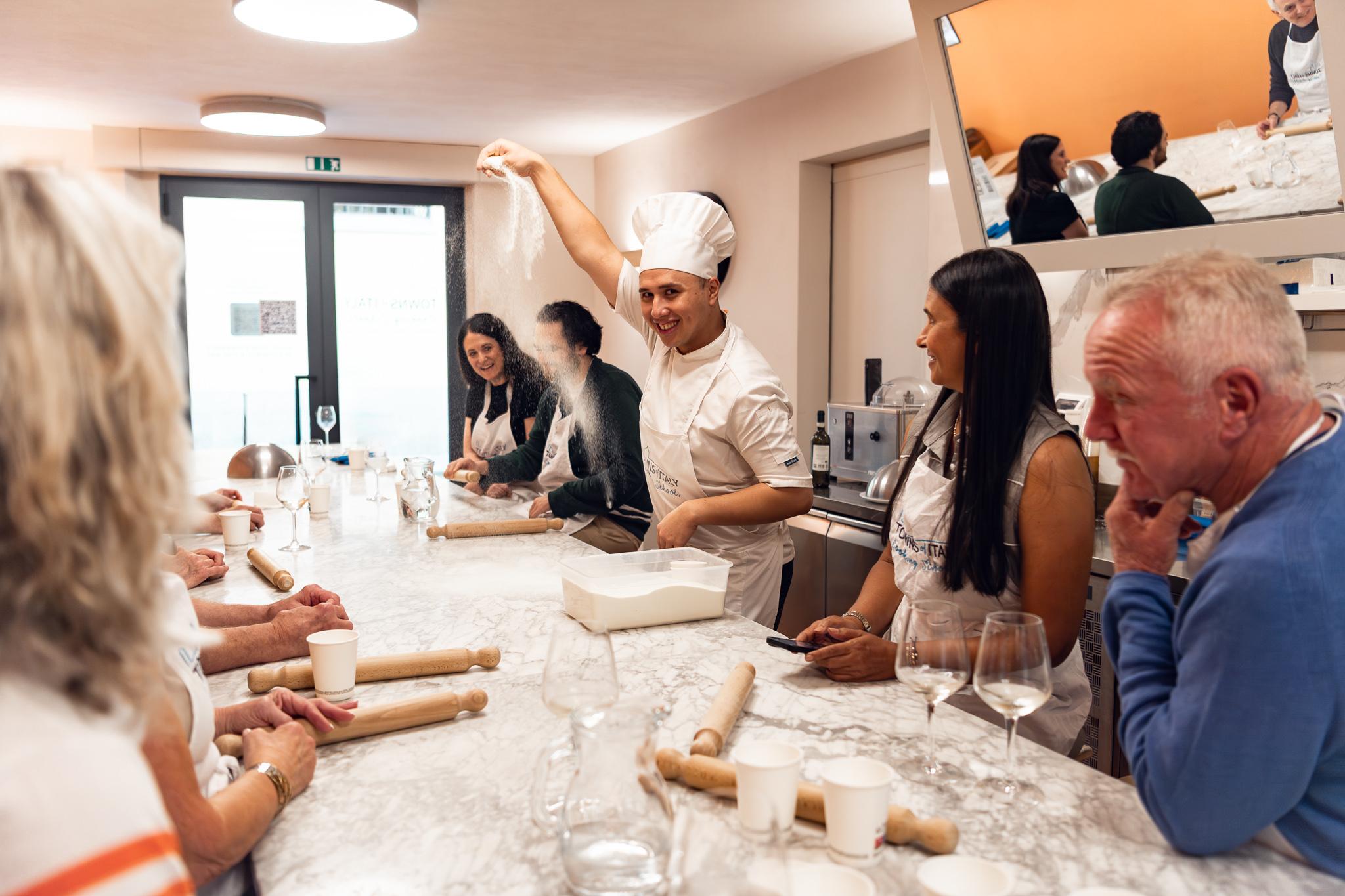
Central space where chefs teach techniques for folding tortellini and fettuccine. Watch as the instructor showcases precise wrist movements for perfect dough.
Dedicated zone for flattening dough to the ideal thickness. Guests discover the nuances of achieving the correct pasta texture.
You arrive at a stone-walled kitchen in Santo Spirito or San Frediano, apron waiting on a marble counter worn smooth by decades of rolling pins.
Your instructor—often a third-generation sfoglina—sets out 00 flour, eggs, and a wooden board, then demonstrates the well method: a crater of flour, three eggs cracked into the center, fork spiraling outward until a shaggy mass forms. You knead for ten minutes, heels of your palms pressing, folding, rotating, until the dough resists and springs back.
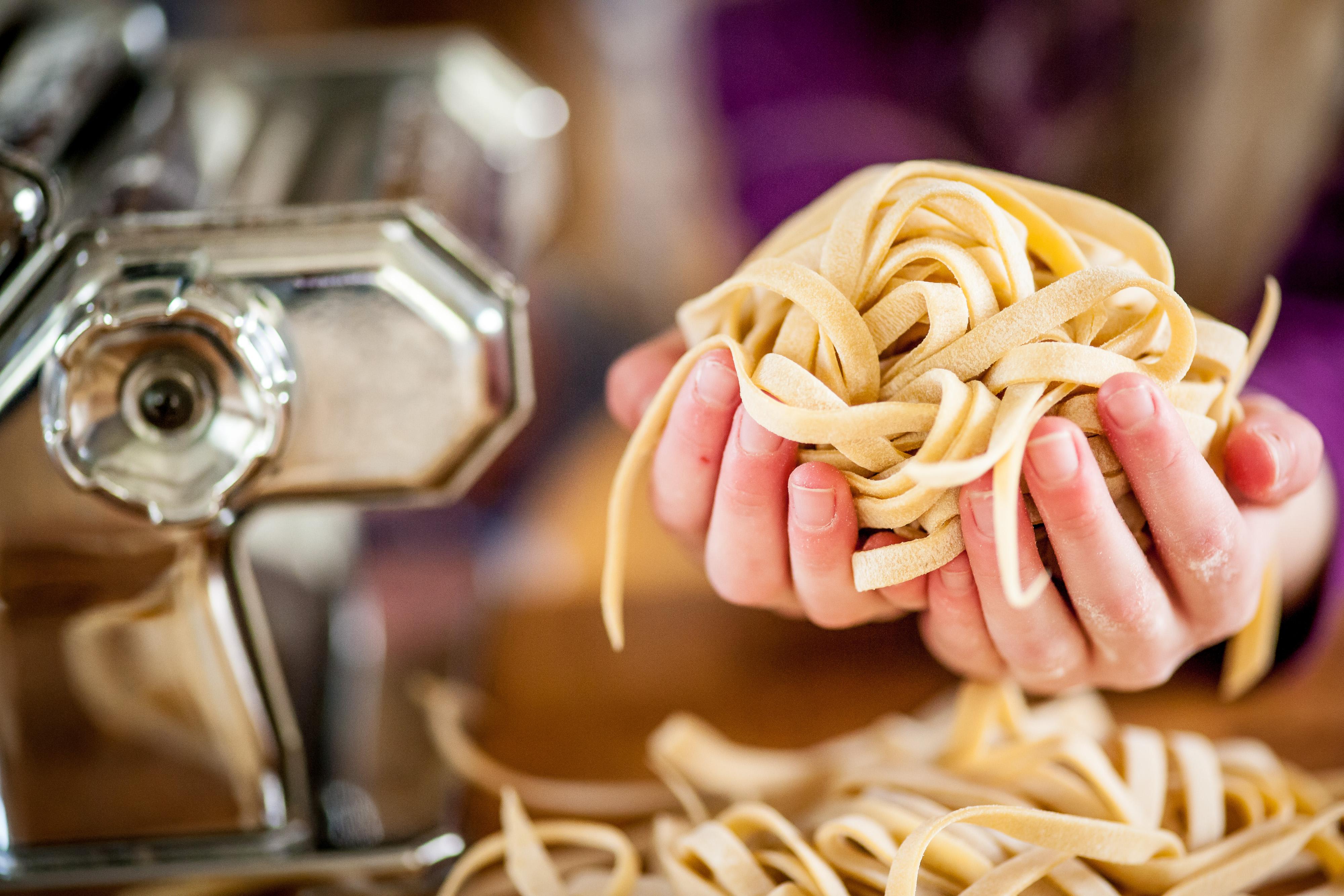
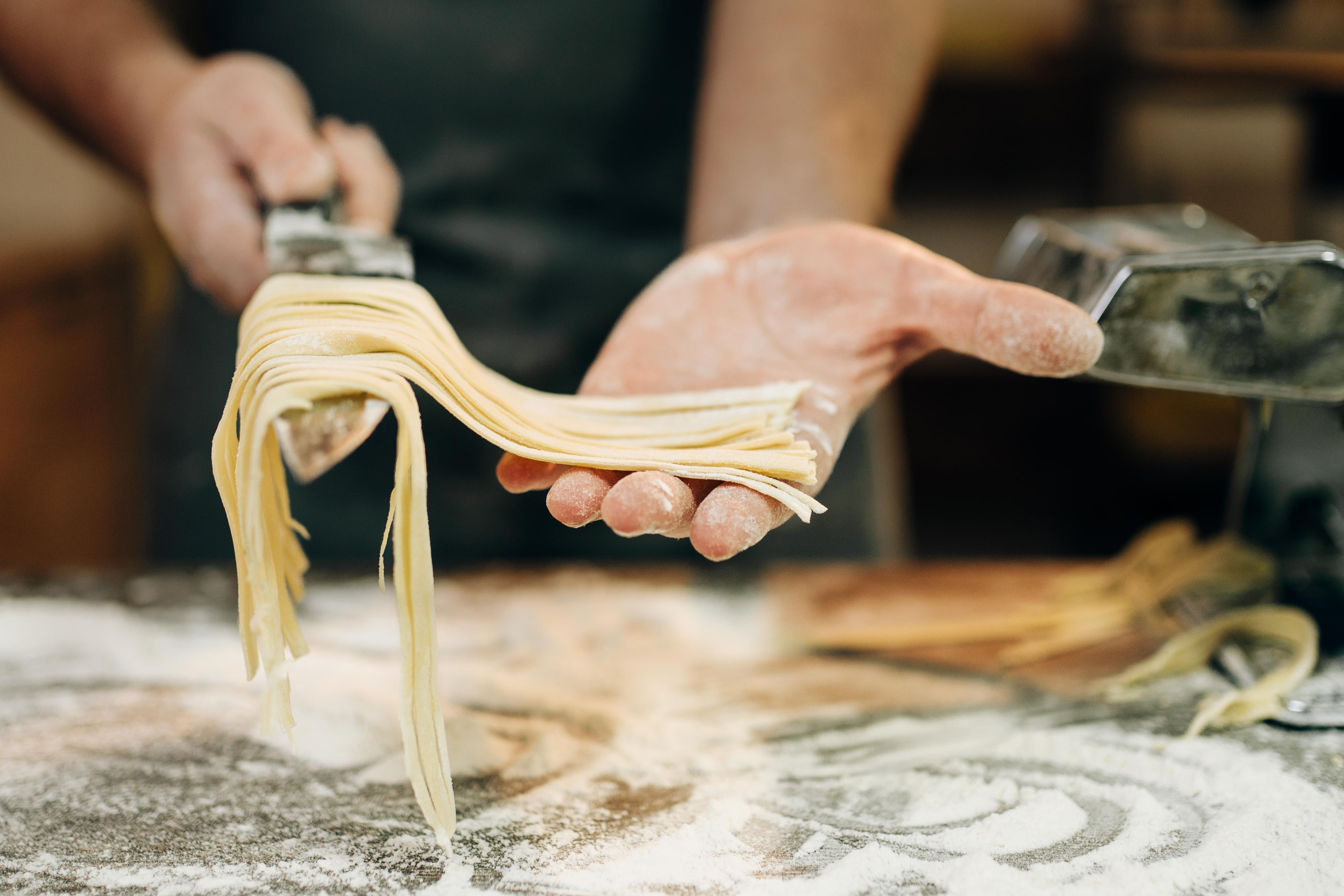
After a thirty-minute rest under linen, you roll the dough into translucent sheets, thin enough to read newsprint through. A knife, ruler, and steady hand produce tagliatelle ribbons. For ravioli, you spoon ricotta-spinach filling at two-inch intervals, fold the sheet, and crimp edges with a fluted wheel. Meanwhile, butter melts with sage leaves in a copper pan, its nutty aroma filling the room.
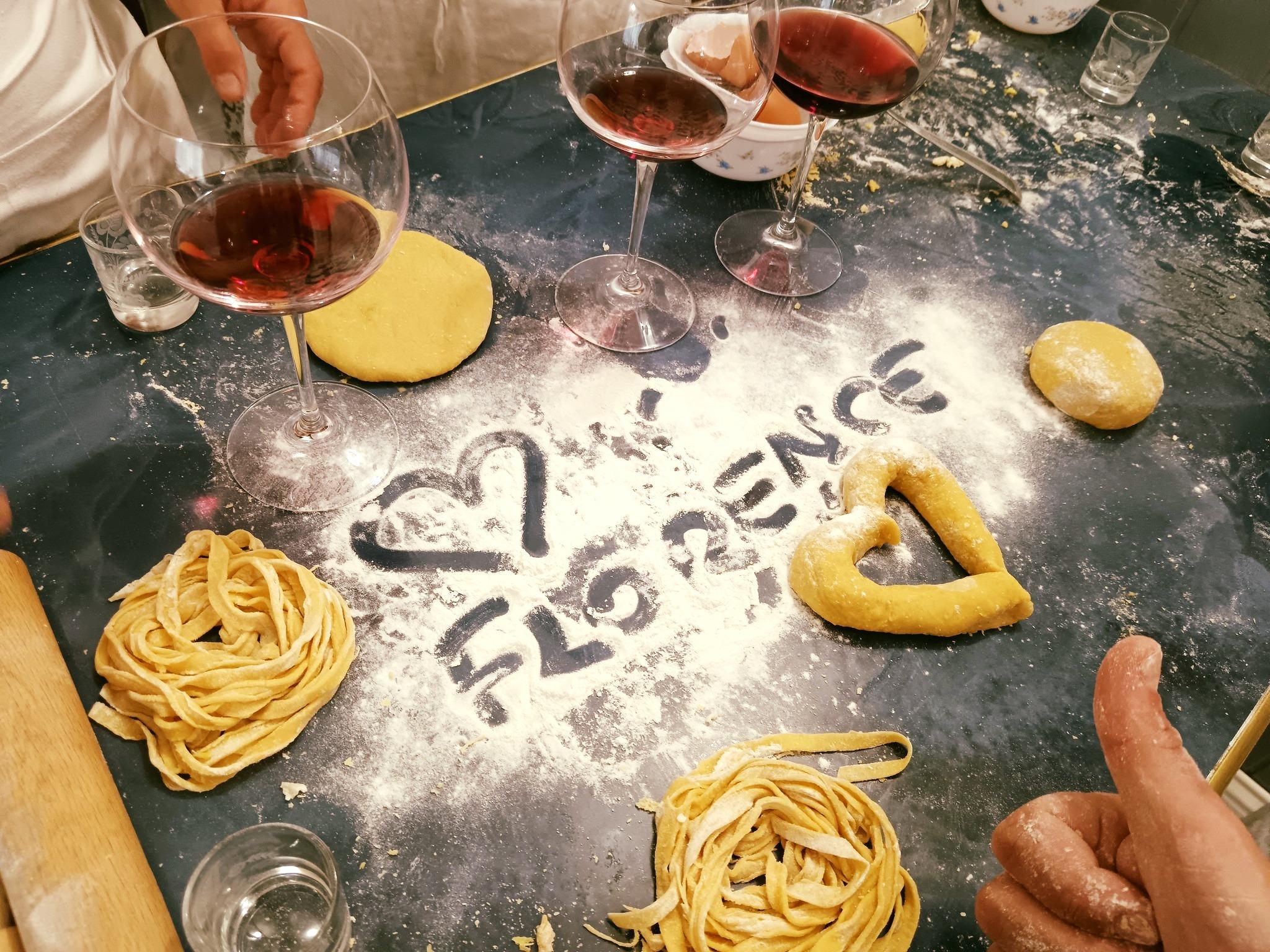
You plate your pasta, dust it with aged Parmigiano, and sit at a communal table with your cohort. The wine is local, the conversation easy, the pasta tender with the imperfections that prove it was made by hand. You leave with recipes, a linen apron, and the sfoglina's final instruction: practice weekly, or the muscle memory fades.
All the details about your upcoming adventure in one place
Learn traditional Italian pasta-making techniques in a hands-on florence pasta cooking class led by local chefs. You'll craft fresh tagliatelle, ravioli, or gnocchi from scratch using regional ingredients, then enjoy your creations with wine during a communal meal. Florence pasta cooking class tours typically include market visits, recipe cards, and insider tips on Tuscan culinary traditions.
Florentine pasta descended from medieval grain guilds, when semolina merchants controlled the Oltrarno mills and fresh egg dough signaled feast days in merchant households.
By the fifteenth century, the sfoglina—the household pasta maker—occupied a place of honor in patrician kitchens, her rolling pin and wooden board passed down through generations. The techniques taught in today's Florence pasta cooking class mirror those Renaissance rhythms: a forty-five-minute kneading cycle, resting intervals timed by cathedral bells, hand-cut widths measured against a thumb. No mechanical extruder replicates the porous surface texture that captures sauce, no industrial dryer achieves the tender bite of twelve-hour air-cured sheets.
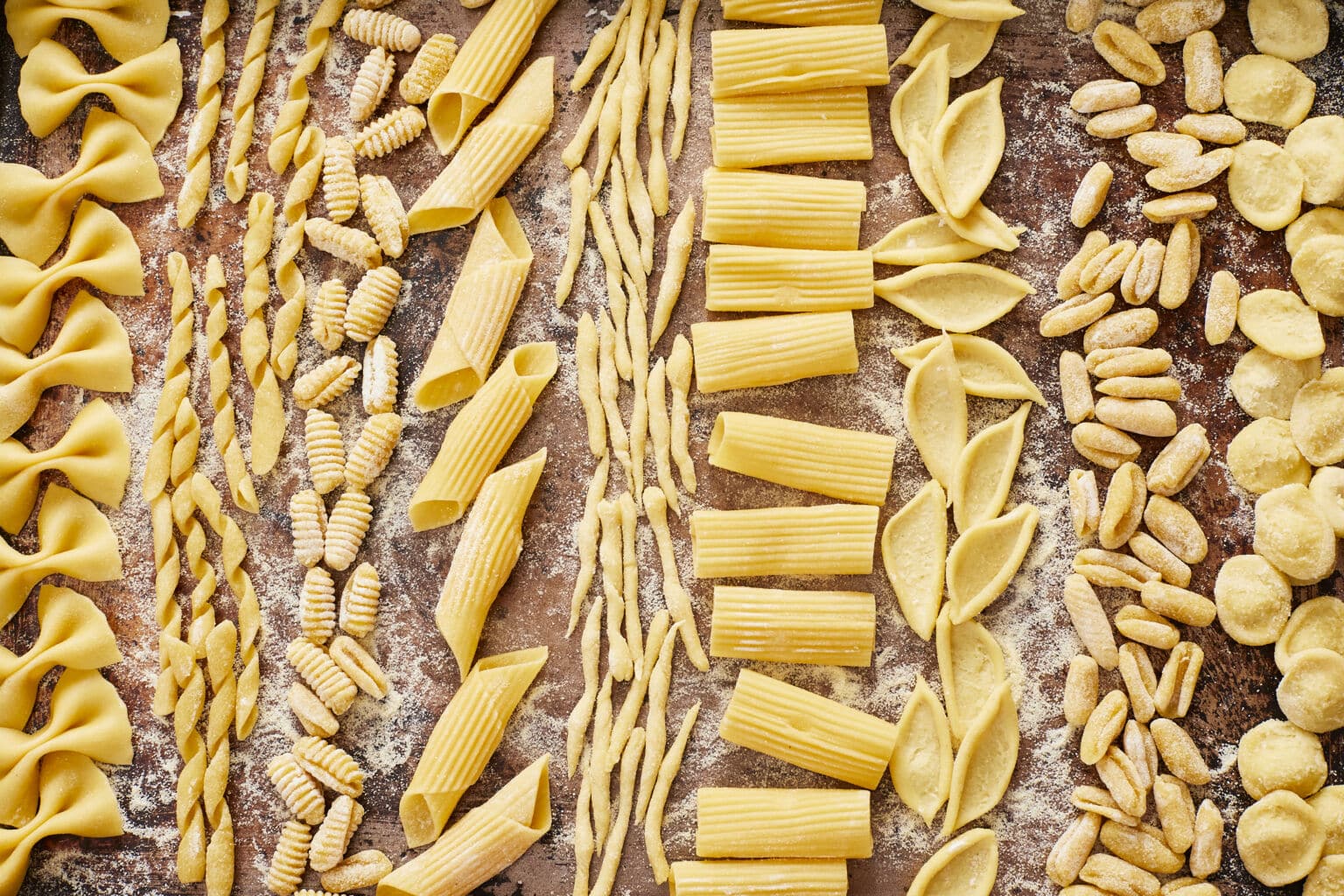
Modern workshops occupy stone-walled kitchens in Santo Spirito, San Frediano, and near Santa Croce, spaces that once served as family trattorias or artisan botteghe. Instructors source 00 flour from Molino Grassi, free-range eggs from Mugello farms, and Parmigiano-Reggiano aged minimum twenty-four months in Emilia wheels. A typical three-hour session produces tagliatelle, pappardelle, and ravioli—three pastas that showcase knife skill, rolling tension, and filling balance. Participants work at marble counters, the cool surface preventing dough from warming, and learn the pasta-maker's touch test: when pressed, properly kneaded dough springs back like an earlobe.
The pedagogy is tactile and immediate. Instructors demonstrate once, then circulate as students repeat, correcting wrist angle and pressure with brief, precise interventions. Sauce preparation runs parallel—a slow-simmered ragù or sage-butter emulsion—so timing and temperature become legible. Classes conclude with a shared meal, often accompanied by Chianti Classico or Vernaccia, where the labor of the previous hours becomes the centerpiece. For many visitors, the florence pasta cooking class tour transforms pasta from pantry staple to craft discipline, a skill carried home in muscle memory and recipe cards scrawled in Tuscan dialect.
The sfoglina's rolling pin and wooden board passed down through generations, her techniques unchanged since the Renaissance.
Casual, comfortable clothing is recommended for a florence pasta cooking class. Closed-toe shoes are safer for kitchen environments.
Secure storage for large bags is usually unavailable at kitchen venues. Participants should bring only essential items to their florence pasta cooking class.
Photography is generally encouraged during the preparation stages of your florence pasta cooking class. Ask your instructor before filming private demonstrations.
Children are often welcome to participate in a florence pasta cooking class if accompanied by an adult. Verify age minimums with your specific provider.
Many historic buildings in Florence have limited accessibility for guests with mobility needs. Contact your chosen provider to confirm facilities for a florence pasta cooking class.
All necessary ingredients and water are provided during your florence pasta cooking class. Advise the host of any dietary restrictions at least 48 hours in advance.
Opening hours
09:00–20:00
Address
Various locations in Florence city center
Physical access
Check specific venue entry
Best arrival
09:00–17:00
Navigation
Confirm meeting point on ticket
Walk · varies · Free
Most studios are located within the historic center accessible by foot
Public transport · varies · Moderate
ATAF buses cover the main city center streets
Full refunds are typically available for cancellations made at least 24 to 48 hours before the start time. Since there is a 0 EUR fixed entry fee, check your specific tour package terms for service provider policies.
Recommended time
3-4 hours
A standard florence pasta cooking class typically requires three to four hours to master kneading techniques and sauce preparation. We recommend choosing morning slots to enjoy market-fresh ingredients, while afternoon sessions offer a relaxed pace for those balancing other city landmarks. Because these culinary experiences are held at various locations in Florence city center, transit time between your accommodation and the venue is minimal regardless of when you book your florence pasta cooking class tour.
Crowd levels through the day
Weather · crowds · average price — dots go green to amber to red as each metric rises.
March to May offers mild temperatures for walking between classes. Ideal for experiencing fresh seasonal market ingredients.
June to August involves warmer weather, so morning sessions are advised to stay cool. The city is vibrant during these months.
September to November is perfect for harvest-themed workshops. The cooler air makes kneading dough comfortable.
December to February provides a quiet atmosphere for indoor activities. Fewer crowds make for a more personal experience.
Reserve your florence pasta cooking class spot weeks ahead for prime dates. Popular times sell out quickly.
State all food sensitivities clearly before the start. Kitchens must prepare ahead for safety.
Choose a florence pasta cooking class that includes a market visit for full context. It adds depth to your culinary knowledge.
Avoid wearing loose sleeves or dangling jewelry. Kitchen safety is the priority during your session.
Stay hydrated while walking through the city streets. Temperatures in summer can rise significantly.
Participating in a florence pasta cooking class offers a hands-on way for families to engage with Italian culinary traditions together. These sessions are generally welcoming to children, allowing them to roll dough and shape noodles in the heart of the city.
Most venues are located in historic buildings where space is limited, so leave large strollers at your accommodation and use a compact carrier if needed.
While many florence pasta cooking class tours welcome all ages, children aged six and older typically gain the most from the detailed instructions.
When booking your florence pasta cooking class tour, specify any dietary restrictions or allergies in advance so the chef can prepare safe ingredients for your children.
Booking private florence pasta cooking class tickets ensures a more relaxed pace for families compared to larger public groups, allowing kids to work at their own speed.
Changing tables are rarely available in historic workshop settings, so plan for nearby public facilities or prepare accordingly before your session begins.
Real experiences from real travelers
Our instructor guided us through making three types of pasta from scratch in a beautiful kitchen near Santa Croce. The dough came together surprisingly quickly once we learned the proper kneading technique. We ate everything we made paired with local wine while watching the sunset over the terracotta rooftops. Worth every euro.
Small group of six people made the florence pasta cooking class feel personal and relaxed. Learned the difference between egg and semolina dough, rolled out sheets thin enough to read through, and shaped ravioli with proper crimping. The recipes were simple enough to recreate at home. Our host shared stories about her nonna's techniques that added depth to the lesson.
Started at Mercato Centrale selecting fresh ingredients before heading to the cooking studio. Making tagliatelle by hand took patience but the instructor was encouraging. The meal we prepared together tasted better than most restaurants we visited. A florence pasta cooking class tour like this shows you the city through food rather than just monuments.
The instruction was solid and we learned proper pasta techniques in about two hours. Would have appreciated more time for the actual cooking portion. The space was charming with views toward Fiesole. Our group finished with a casual lunch of our creations. Overall a pleasant morning activity.
Booked last minute when weather turned and it became one of our favorite Florence memories. The instructor taught us to feel when the dough has the right texture rather than just following measurements. We made pappardelle, filled agnolotti, and a simple sage butter sauce. Left with full stomachs and printed recipe cards.
Class size was only four people so we each got plenty of hands-on time. Learned why Italian cooks use specific flour types and how altitude affects pasta dough. The kitchen occupied a restored medieval building with original stone walls. After cooking we sat family-style and enjoyed our handmade meal with local Chianti. This florence pasta cooking class experience felt authentic rather than touristy.
Our teacher grew up in Florence and shared techniques passed down through generations. We focused on traditional Tuscan shapes rather than complicated showpieces. The pici we rolled by hand had perfect texture. Eating together afterward with other travelers from five countries made it feel like a dinner party. Great value for the florence pasta cooking class tickets.
My partner and I took this class on our anniversary and it exceeded expectations. We started with espresso and biscotti before diving into dough making. The instructor corrected our technique patiently until we got the consistency right. Our finished tortellini looked almost professional. The recipes were practical enough that we have already made them twice since returning home.
The cooking studio felt like someone's actual home kitchen rather than a sterile classroom. We made three pasta types in about three hours including prep and cooking time. Everyone pitched in with different tasks so it moved efficiently. The instructor explained why certain shapes pair with specific sauces. Finished with tiramisu that someone in the previous class had prepared.
Better than any museum visit for understanding Florentine culture. We worked with Italian 00 flour and learned to judge dough by touch. The ravioli filling used ricotta and spinach from the morning market. Sitting down to eat what we created with a view of the Arno made the experience complete. Highly recommend this florence pasta cooking class for anyone wanting to go beyond sightseeing.
Everything you need to know for your journey
Studios operate daily from 09:00–20:00. Classes run throughout these hours depending on the package.
Tickets for a florence pasta cooking class are sold as private or group packages online. Ensure you verify the address provided upon booking.
Yes, most sessions are designed for all skill levels. Instructors guide you through every step of the florence pasta cooking class.
Cancellations are managed by individual operators; verify terms on your ticket. There is a 0 EUR fixed entry fee for the venue itself.
Yes, families are welcome at many locations for a florence pasta cooking class. Check the specific age policy for the operator.
Wear comfortable, casual clothing and closed-toe shoes. Kitchen environments require practical attire for your florence pasta cooking class.
A typical florence pasta cooking class tour lasts between three to four hours. This includes preparation, cooking, and dining time.
Yes, notify your provider of allergies at least 48 hours prior. Safety is standard for every florence pasta cooking class.
Many landmarks like the Duomo are within walking distance of typical cooking schools. You can easily combine these after your florence pasta cooking class.
Cathedral with iconic dome and intricate facade
Historic marketplace with food stalls
Fortified palace housing civic history
Medieval stone arch bridge across the Arno
Join thousands of happy travelers who have discovered this incredible experience
Book Your Experience Now