Quick answer
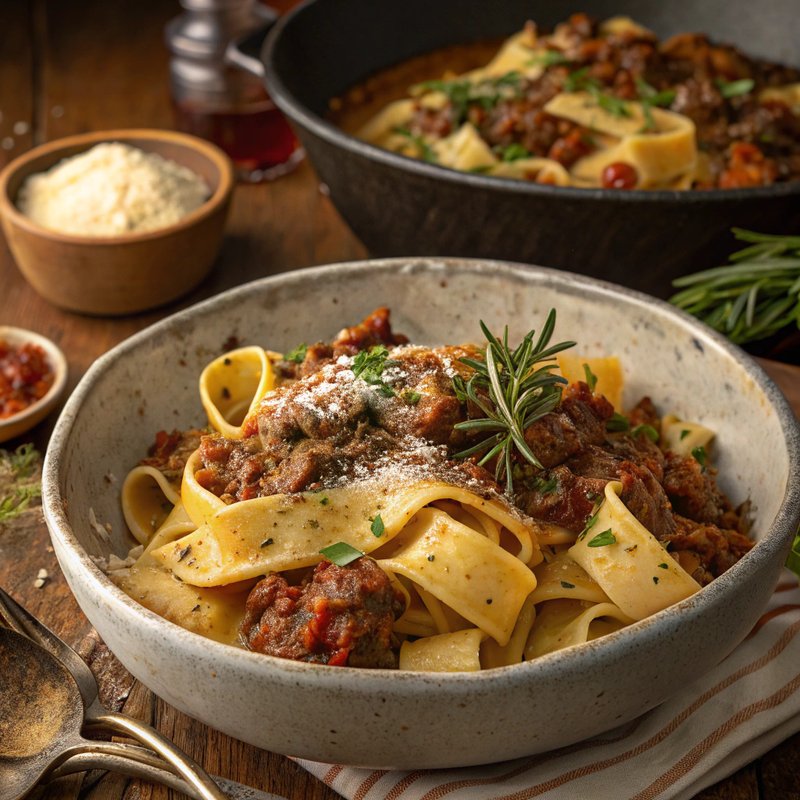
Florence is best known for hand-rolled pici and wide pappardelle, both usually dressed with wild boar ragù (cinghiale), a rustic Tuscan pairing rooted in cucina povera. These are best enjoyed between 12:00 and 22:00, the lunch and dinner window at traditional trattorias. Browsing the food markets behind them carries no fee, though dish prices vary by restaurant.
Unlike the egg-rich noodles of neighboring Emilia-Romagna, the dishes that answer what pasta is florence known for grew out of cucina povera — flour, water, and patience rather than luxury. Pici, the thick hand-rolled strands most often paired with wild boar ragù, sits at the center of that tradition, arriving in Florence from the Sienese hills and settling into nearly every serious trattoria kitchen. Reading this correctly matters: here the pasta is a vehicle for slow-cooked Tuscan sauces, not the star turn. The wider context explains why no single plate wins the title outright. Florence sits at the heart of Tuscany, where rustic semolina and flour doughs answer to a landscape of Chianti vineyards, olive groves, and autumn game. Travelers researching Florentine pasta dishes often want one definitive answer; the honest reply is a small, related family — pappardelle wide enough to hold ragù, hand-rolled pici, and seasonal stuffed shapes — each tied to the cook and the calendar. That variety is a feature of Tuscan cooking, not a gap in it. Knowing the answer changes how a visit takes shape. The food markets that anchor this cuisine, from Mercato Centrale to the stalls near San Lorenzo, cost nothing to browse, so a curious traveler can trace these shapes back to raw flour and semolina before deciding where to eat. Florentine tables run on a clear clock, filling between 12:00 and 22:00 when trattorias serve lunch and dinner at their natural rhythm. Planning around that window spares the disappointment of arriving to a quiet kitchen. There is also a way to move past tasting. Visitors who carry the question of what pasta is florence known for into a hands-on session learn to roll pici by hand, mix the dough, and finish a proper ragù rather than only ordering one. The booking pages on this site collect those classes in one place, from market-to-table mornings to evening workshops across the city. Traditional Tuscan pasta rewards anyone who treats it as craft — a few humble ingredients, shaped slowly, eaten without hurry in a place that has never mistaken simplicity for compromise. The reward is understanding a place, not just a plate.
“In Florence the pasta is a vehicle for slow-cooked Tuscan sauces, not the star turn.”
What Pasta Is Florence Known For: Signature Tuscan Shapes and Sauces
Florentine pasta traditions showcase rustic, hand-rolled shapes designed to carry robust ragùs and simple, aromatic sauces. These four classic pasta dishes define the culinary landscape of Florence and the surrounding Tuscan hills.
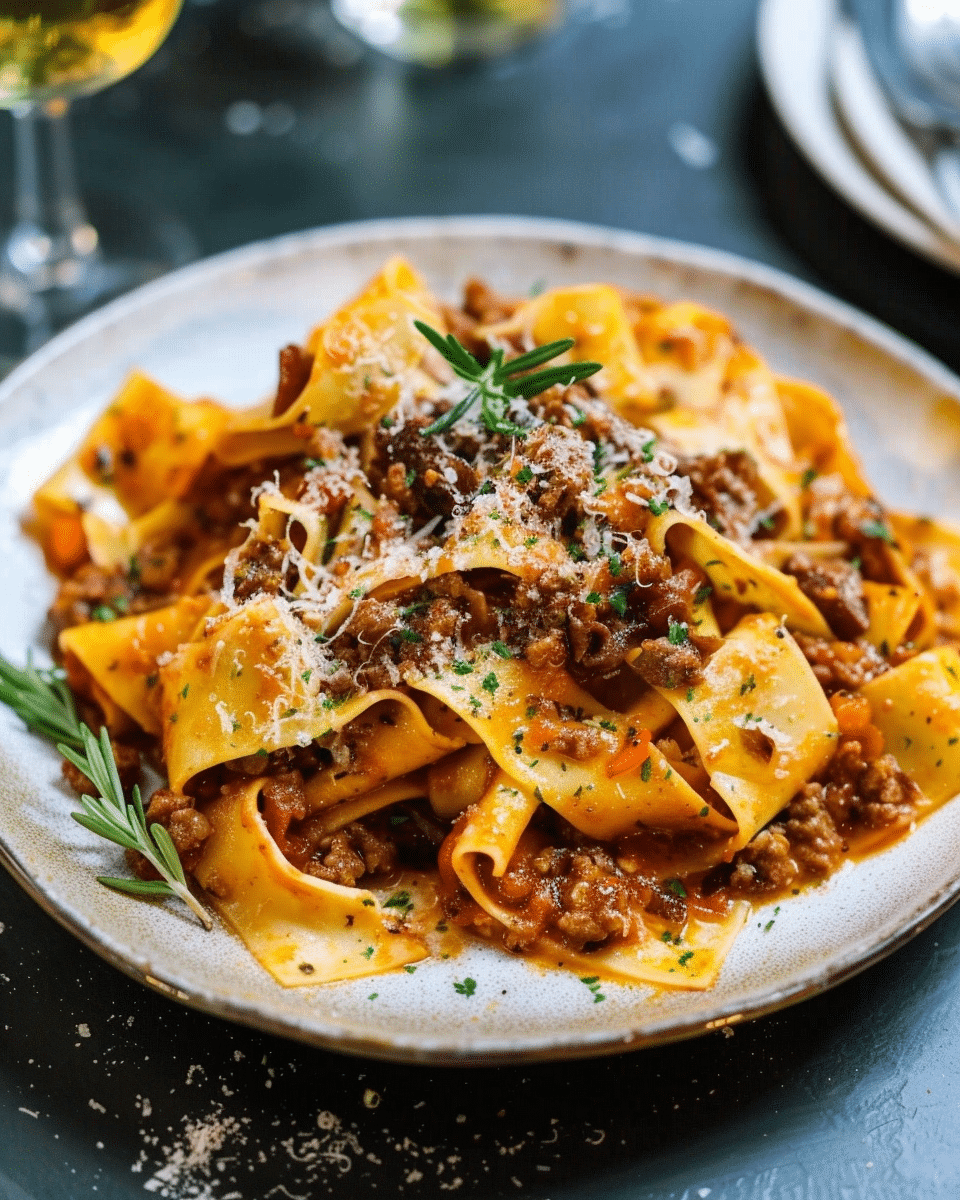
Pappardelle al Cinghiale
These wide, flat ribbons of egg pasta are traditionally tossed with a slow-cooked wild boar ragù. The broad width of the noodles allows them to hold the rich, gamey sauce seasoned with red wine and herbs.
Inspect the pasta width to ensure it is thick and hand-cut.
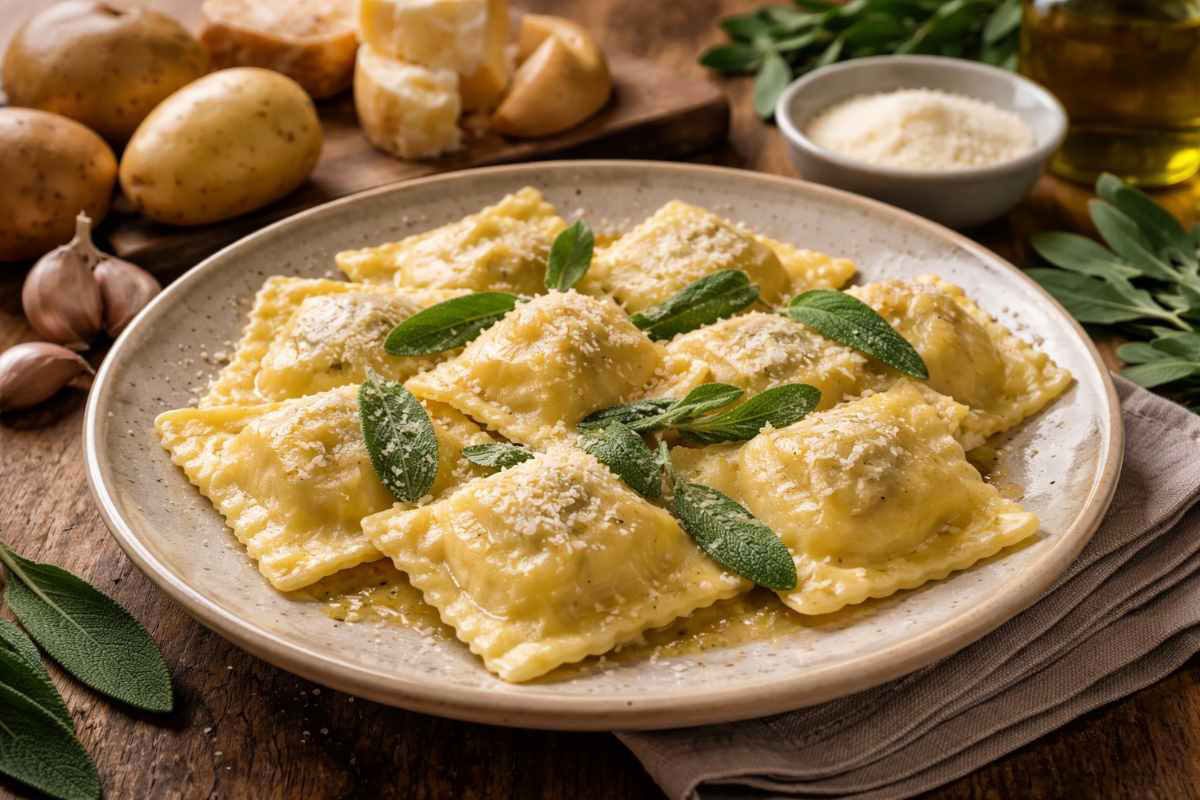
Tortelli Mugellani
Hailing from the nearby Mugello valley, these large square-shaped ravioli are stuffed with a mixture of mashed potatoes, garlic, and cheese. They are typically served with either a hearty meat sauce or a simple butter and sage dressing.
Note the pillowy texture and the subtle hint of nutmeg.
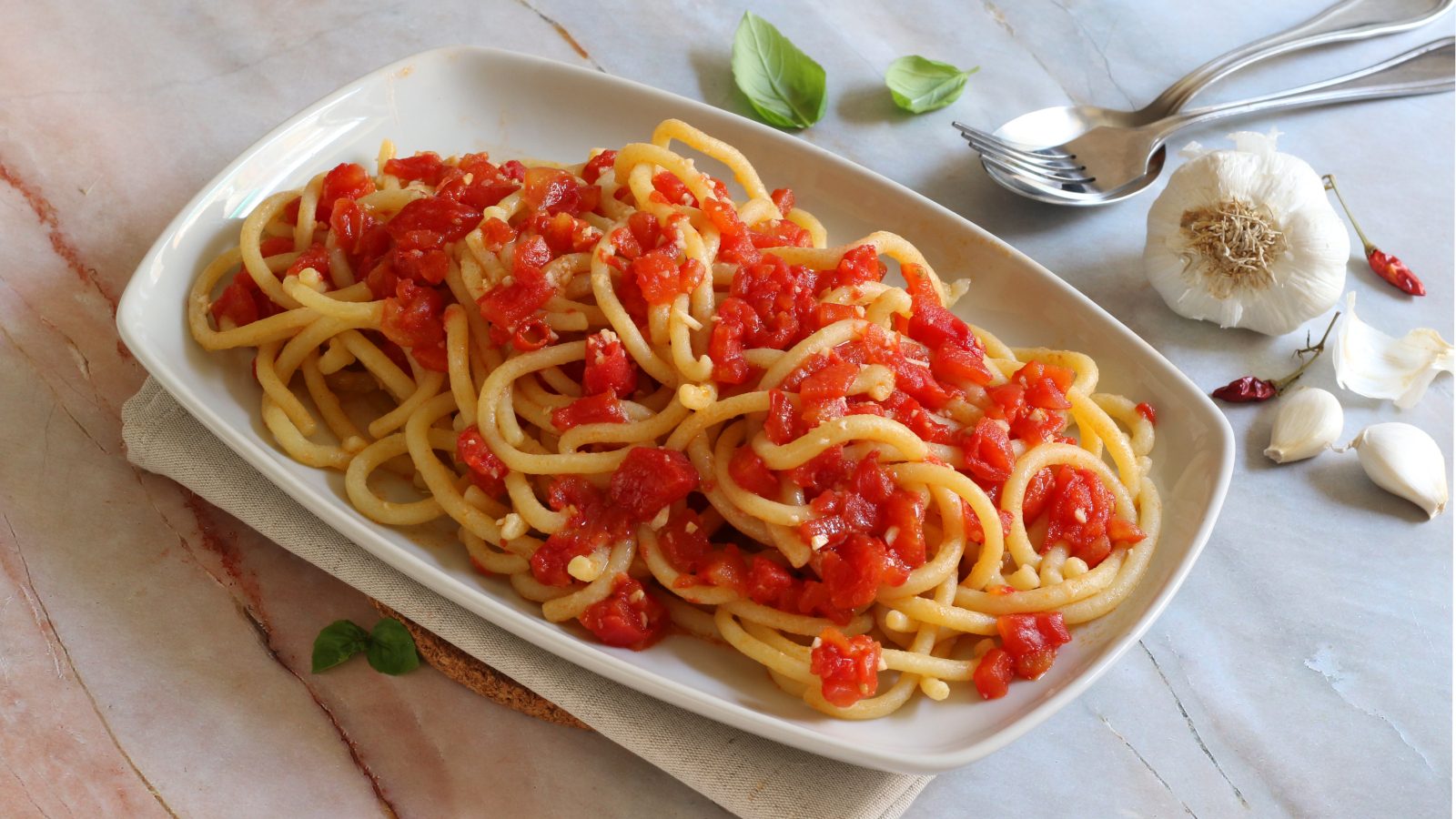
Pici all'Aglione
These thick, hand-rolled noodles resemble fat spaghetti and are made from a simple flour and water dough. The traditional accompaniment is a rich tomato sauce made with aglione, a large, mild garlic native to Tuscany.
Observe the rustic, uneven shape that indicates it was hand-rolled.
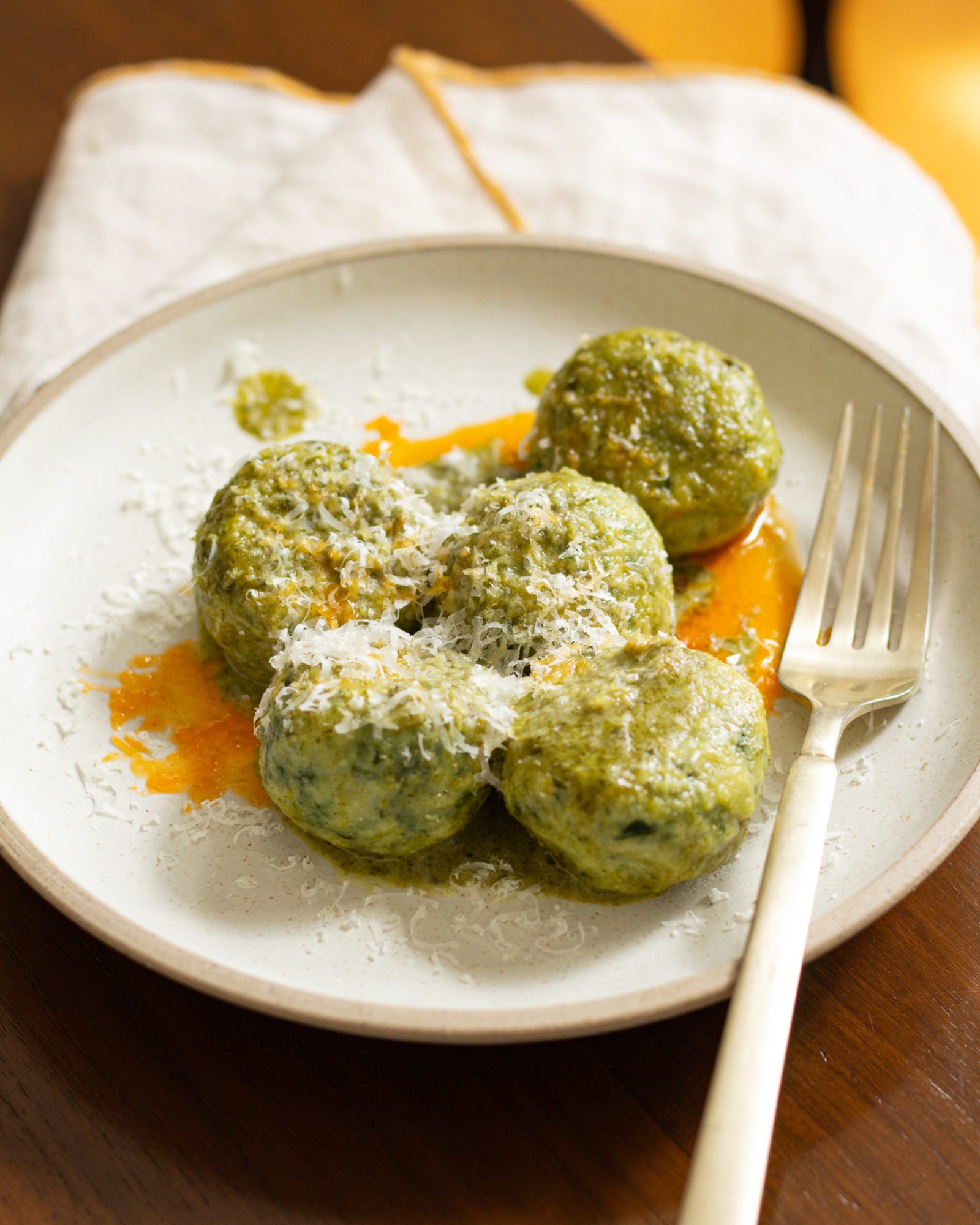
Gnudi
Meaning naked in the local dialect, these light dumplings feature the spinach and ricotta filling of a ravioli without the outer pasta shell. They are lightly dusted with flour, boiled, and served with melted butter and fresh sage.
Look for a delicate, pillowy shape coated in sage butter.
A History of Tuscan Grain: What Pasta Is Florence Known For Across the Centuries
Tuscan pasta begins with grain. Etruscan farmers milled emmer and farro across the Arno valley centuries before Rome, and by the 13th century Florentine guilds regulated milling and the flour trade so tightly that wheat became a measure of civic power. In the Val di Chiana and the Mugello hills, farmers rotated grain with legumes to hold the soil, and surplus flour moved toward the city's ovens. Fresh dough shaped by hand defined Tuscan pasta traditions here, unlike the dried semolina spreading from the south. This agricultural bedrock explains what pasta is florence known for at its root: hand-formed shapes drawn from hard durum and soft grano tenero rather than dried factory strands. The Renaissance turned grain into court cuisine. When Cosimo I de' Medici became Grand Duke of Tuscany in 1569, ducal hunts in the forests of the Casentino and the Maremma supplied venison, hare, and wild boar to the kitchens of Palazzo Vecchio. The court cook Bartolomeo Scappi, whose 1570 Opera catalogued elaborate game preparations, showed how thoroughly the hunt shaped elite tables. Cooks braised this game for hours and folded it into ragù ladled over pici, the thick hand-rolled strand pulled from flour and water. This Florentine culinary tradition joined the noble table to the peasant hearth. The countryside answered with cucina povera. Contadino families, unable to afford meat, stripped the filling from ravioli and served it naked — gnudi, dumplings of ricotta and spinach bound with a little flour. Recorded in Tuscan kitchen writing by the 17th century, these were nude ravioli, the poor cook's economy turned to virtue; in the leanest valleys, cooks stretched dough with chestnut flour when wheat ran short. To understand what pasta is florence known for is to trace this line from ducal hunt to farmhouse hearth. Today that history survives in the working mills of the Mugello, in market stalls near San Lorenzo where fresh pici and gnudi are shaped by hand each morning, and in trattoria kitchens that still braise wild boar the way Medici cooks once did.
Etruscan farmers cultivated emmer and farro across the Arno valley, establishing Tuscany's grain culture.
Florentine guilds regulated milling and the flour trade, making wheat central to the city's economy.
Cosimo I de' Medici became Grand Duke of Tuscany; ducal hunts supplied game for court ragù.
Bartolomeo Scappi's Opera catalogued elaborate game dishes that shaped elite Tuscan kitchens.
Peasant cooks recorded gnudi, "nude" ravioli of ricotta and spinach born of cucina povera.
Rural Tuscan households kept shaping pici and gnudi by hand as staples of the farmhouse table.
When to Eat What Pasta Is Florence Known For: Seasons and Dining Hours
The best time to experience Florentine pasta is during the autumn harvest from October to December, when local menus feature freshly gathered truffles and wild game. Plan your meals during the traditional lunch and dinner hours to experience these seasonal dishes at their peak quality.
Autumn (October–December)
High dining demandCool, 8°C to 20°C
This season brings fresh white truffles, porcini mushrooms, and wild boar (cinghiale) to pasta menus. Trattorias are busy, so reservations for dinner at 20:00 are necessary.
Spring (March–May)
Moderate lunch crowdsMild, 10°C to 22°C
Menus transition to lighter sauces featuring fresh artichokes, peas, and wild asparagus. Dining around 13:00 offers a relaxed lunch experience before afternoon closures.
Summer (June–September)
High tourist crowdsHot, 18°C to 32°C
Summer pasta dishes highlight fresh tomatoes, basil, and zucchini blossoms. Dine later in the evening, around 21:00, when temperatures cool down.
Verdict: For the richest seasonal ingredients like truffles and wild boar, visit between October and December, booking lunch for 13:00 or dinner for 20:00.
Trattorias and Osterias: Where to Eat the Most Iconic Pasta in Florence
Finding authentic pasta in Florence involves seeking out historic trattorias and local markets that prioritize traditional Tuscan recipes. While central spots attract heavy crowds, crossing the Arno River reveals local-favorite establishments serving classic dishes at lower prices.
Trattoria Mario
€restaurant
Located near the central food market, this historic family-run spot serves traditional daily pasta dishes at shared wooden tables.
Osteria del Cinghiale Bianco
€€restaurant
Situated in a medieval tower near the Ponte Vecchio, this cozy dining room specializes in pappardelle with slow-cooked wild boar ragù.
Mercato Centrale
€market
Positioned in the San Lorenzo district, this historic market hall houses multiple artisan stalls cooking fresh Tuscan pasta.
Trattoria Sabatino
€restaurant
Located in the San Frediano area of the Oltrarno district, this family-run workers' eatery provides a budget-friendly option with simple pasta dishes.
Smart Dining Etiquette for Ordering Authentic Florentine Pasta
Navigating Florentine dining customs ensures you experience traditional pasta courses exactly as locals prepare and enjoy them.
Spot the Menu Asterisks
Italian law requires restaurants to mark frozen ingredients or dishes with an asterisk (*). Inspect the menu footer to ensure your fresh pasta is actually made in-house and not defrosted.
Dry Versus Fresh Pasta
Fresh egg pasta is not inherently superior to dry durum wheat pasta. Choose fresh pasta like pappardelle for rich meat ragùs, and dry pasta like spaghetti for oil-based sauces.
Sequence Your Meal Correctly
Pasta is served as a primo piatto, which comes after the antipasto and before the main meat course. Do not order a pasta dish to share as a side with your main steak.
Avoid Tourist Menu Pitfalls
Steer clear of establishments displaying laminated menus with photos of pasta in multiple languages. Authentic trattorias change their pasta offerings frequently and write them on simple paper menus.
Say No to Extra Cheese
Do not request grated Parmigiano or Pecorino for pasta dishes featuring seafood. Florentine chefs consider adding cheese to fish-based sauces a major culinary error that masks the delicate flavors.
Request Sauce Customization Sparingly
Florentine kitchens pair specific pasta shapes with dedicated sauces to maximize flavor and texture adhesion. Avoid asking to swap one type of pasta for another in a traditional recipe.
Time Your Pasta Meal
Plan to eat your pasta between 12:00 and 22:00, which aligns with traditional lunch and dinner services. Most authentic Florentine trattorias close their kitchens in the late afternoon.
Common Misconceptions About Tuscan Pasta Culture
International adaptations of Italian recipes have created several misunderstandings about how pasta is prepared and served in Florence. Understanding these traditional customs helps visitors enjoy the region's actual culinary practices.
MythSpaghetti is the default pasta shape served in Florence.
FactLocal trattorias favor wide egg-based ribbons or thick, hand-rolled shapes over standard dried spaghetti. These local shapes are specifically selected to hold the region's typical slow-cooked meat sauces.
MythGarlic bread is served as a standard side with Florentine pasta.
FactLocal restaurants do not serve buttered garlic bread with meals. Instead, tables receive plain, unsalted Tuscan bread, which is traditionally used at the end of the meal to scoop up remaining sauce.
MythTraditional Florentine pasta sauces are built on a heavy cream base.
FactAuthentic Tuscan recipes rarely use heavy cream. Instead, chefs create rich textures by blending starchy pasta cooking water, cheese, and high-quality olive oil to build natural emulsions.
MythFresh egg pasta is always preferred over dried pasta.
FactBoth styles serve distinct culinary roles in Florentine kitchens. Fresh pasta is chosen for delicate fillings or rich ragùs, while dried pasta is selected for its firm structure to carry olive oil-based sauces.
Pre-Travel Preparation for Tasting What Pasta Is Florence Known For
A few tasks in the weeks before your visit make tasting Florence's pasta smoother, from securing tables to picking a cooking class.
-
Book popular trattoria reservations early — The best-known spots fill weeks ahead, especially on weekends.
-
Choose and reserve a cooking class — Hands-on pasta classes sell out, so lock in dates before arrival.
-
Research traditional Tuscan ingredients — Knowing pici, wild boar, and pecorino helps you order with confidence.
-
Note any dietary needs in advance — Message restaurants or class hosts so kitchens can adapt fresh pasta.
-
Confirm no market entrance fee — Food markets cost nothing to browse; dish prices vary by restaurant.
-
Plan meals within lunch or dinner hours — Aim for 12:00–22:00 when traditional trattorias serve pasta at their best.
-
Save the Florence, Tuscany location — Cluster reservations and class near your base to avoid backtracking.
Check availability
FAQ about what pasta is florence known for
Everything you need to know about what pasta is florence known for